How To Detox Your Mind Daily? Ways For Mental Detox Explained

Introduction

People often take a bath every day, yet few of us think about cleansing the mind. In a recent podcast from Maharishi Ayurveda, host Dr. Rini Shrivastava speaks with renowned Vaidya Dr. Anirudh Sehra, a fourth-generation Ayurveda physician specialising in neuro-psychiatry and psychology. They discuss why certain emotional patterns arise and how to manage even crippling mental health issues through simple, natural remedies.

Dr. Sehra’s expertise covers conditions like depression, anxiety, insomnia and modern disorders such as screen dependency. Their conversation introduces the concept of mental hygiene and offers daily Ayurvedic rituals that gently restore balance. This blog distils those insights into a practical guide for an Indian audience seeking an authentic, practitioner-aligned approach to mental detox and detox therapy.

TL;DR – Ayurvedic Mental Detox & Mind Hygiene

  • Mental Detox Strengthens Mind & Body: Ayurveda clears emotional toxins (ama) and restores balance through digestion, routines, and mindfulness.
  • Dosha-Based Imbalances Affect Emotions: Vata causes anxiety, Pitta triggers anger, Kapha leads to lethargy; recognising your dosha guides personalised detox strategies.
  • Daily Rituals Improve Mental Clarity: Practices like oil massage (Abhyanga), tongue scraping, warm water, Sattvic diet, and meditation support calm and focus.
  • Mind-Gut Connection Is Key: Strong Agni (digestive fire) and gut health influence mood, cognition, sleep, and emotional stability.
  • Long-Term Benefits Include Emotional Resilience: Consistent Ayurvedic mental hygiene reduces stress, improves sleep, enhances focus, and fosters lasting wellbeing.

Why Mental Hygiene Matters

Modern life bombards us with information, pressure and digital overload. These influences cause the mind to feel cluttered or unstable (according to Dr. Sehra) into the creation of emotional patterns. He identifies that the various types of constitutions (doshas) do not respond in a similar manner:

•Vata types tend to be scattered or anxious
Pitta types tend to be angered or competitive
Kapha types tend to be stuck or emotionally weighted

These imbalances have been shown to build up as ama (toxins) in the body over time impairing our capacity to respond to everyday problems. As a way of insuring ourselves against a disease, mental hygiene is necessary to long-term well being.

The podcast highlights the idea that you do not need radical transformation to cleanse your mental space, just a few little practices that you perform regularly will keep the harmony.

Understanding Dosha-Based Emotional Imbalance

Dosha-based Emotional Imbalance

Ayurveda teaches that the three doshas, Vata, Pitta and Kapha, govern our physical and mental traits. Dr. Sehra explains that emotional imbalance arises when these energies go out of sync:

Vata Imbalance

Excess Vata creates feelings of restlessness, fear and racing thoughts. You might jump from one idea to another, worry excessively or experience insomnia.

Pitta Imbalance

When Pitta is high, irritability, anger, impatience and constant comparison dominate. You might become overly critical—of yourself and others—and find it hard to switch off.

Kapha Imbalance

Stagnant Kapha leads to heaviness, lethargy, attachment and sadness. You may feel stuck in routines, unmotivated or emotionally dull.

Recognising your dominant dosha helps you choose appropriate detox therapy. The podcast encourages listeners to take a free dosha test to identify their constitution, which can then guide personalised mental detox strategies.

Daily Ayurvedic Rituals For A Calm, Focused Mind

The conversation stresses that mental detox is an ongoing practice, not a one-time fix. Incorporate the following daily rituals to cultivate calm and focus:

Morning Cleansing

Wake before sunrise:
Early rising aligns with the body’s natural rhythms, supports digestive fire (Agni) and creates mental clarity.

Hydration:
Sip warm water to kindle digestion and flush toxins. Adding a slice of ginger or a pinch of turmeric enhances this natural detox.

Tongue scraping and oil pulling:
These practices remove ama from the mouth, improving taste perception and signalling the mind-gut connection.

Self-massage (Abhyanga):
Massaging the body with warm sesame or coconut oil calms the nervous system and grounds excess Vata.

Mindful Nourishment

Sattvic diet:
Eat fresh, warm and home-cooked foods that nourish the body and mind. Avoid leftovers, processed foods and excessive stimulants. Spices such as cumin, coriander and fennel support digestion and help detoxify the body Ayurveda-style.

Regular meal times:
Eating at the same time every day keeps Agni strong and prevents ama accumulation. Including ghee, ginger and turmeric in meals supports natural detox and emotional balance.

Breath – Work And Meditation

Pranayama:
Nadi Shodhan Pranayama is a classical yogic breathing technique that purifies the energy channels (nadis) by breathing alternately through each nostril using a specific hand gesture (mudra). This practice balances the mind and nervous system, calms stress, cools excess Pitta, soothes anxious Vata and improves mental focus and emotional stability.

Transcendental Meditation:
Sitting quietly each day helps release repetitive thoughts and cultivates awareness. Even a few minutes of mindfulness before breakfast or at sunset resets the nervous system.

Digital And Emotional Hygiene

Digital detox:
Limiting screen time reduces overstimulation and screen dependency. Designate device-free hours, particularly early morning and before bed.

Journalling:
Writing down worries, gratitude or daily thoughts clears mental space and supports emotional detoxification.

These simple rituals are accessible to everyone and form the foundation of an effective mental detox routine.

Awakening The Mind–Gut Connection

Dr. Sehra reminds listeners that mental health cannot be separated from digestive health. In Ayurveda, the gut (Jatharagni) is considered the “second brain.” When digestion is weak, toxins accumulate, affecting both body and mind. Strengthening Agni and clearing ama helps reduce fogginess and anxiety.

Practical steps include sipping cumin–coriander–fennel tea after meals, eating light in the evening and favouring fibre-rich foods like Triphala in the night (Triphala—a blend of three fruits—gently detoxifies and tonifies the gut, supporting daily detox). Avoiding heavy, fried or cold foods prevents excess Kapha and stagnation. By honouring this mind–gut connection, you’ll notice improved mood, better sleep and a sense of mental clarity.

Natural Ways To Detox Your Mental Space

Detoxification isn’t only about the body—it also means letting go of emotional toxins. The podcast emphasises natural ways to detox your mental space without drastic measures:

Spend time in nature: Walk barefoot on grass, sit under a tree or watch the sunset to support grounding. These practices stabilise scattered Vata energy, calm the nervous system and reconnect the mind with nature’s natural rhythms. Nature’s rhythms soothe the nervous system and help balance Vata.

Practice gratitude: Regularly acknowledging the good in your life cultivates contentment and helps counter negative thought patterns.

Cultivate positive relationships: Surrounding yourself with supportive people fosters sattva (purity) and reduces rajas (agitation) and tamas (inertia).

Creative expression: Art, music or dance can help release stored emotions and invite joy.

Seasonal cleansing: Consider gentle seasonal detox practices suggested in Ayurveda, such as a light monsoon cleanse or a springtime fast, to refresh both body and mind. Always consult a qualified practitioner before undertaking any intensive cleanse.

These practices, when combined with daily routines, help create a holistic detox that touches every aspect of life.

Holistic Benefits Of Detox Therapy

The goal of mental detox is not merely the absence of illness; it is the cultivation of mental clarity, emotional resilience and inner balance, allowing the mind to function with greater awareness, stability and joy. The podcast highlights real benefits experienced by those who follow Ayurvedic detox practices:

Enhanced focus: A clear mind allows you to work efficiently and creatively.

Reduced anxiety and anger: Balancing doshas and clearing ama calms emotional turbulence.

Improved sleep: Quieting the mind and strengthening digestion support deep, restorative rest.

Greater emotional flexibility: A detoxified mind can process challenges without becoming overwhelmed.

Long-term wellbeing: Consistent mental hygiene prevents the build-up of toxins, supporting longevity and happiness.

These holistic benefits underline why detox therapy is an investment in your mental and physical future.

Conclusion

Mental detox is not a luxury; it is as essential as bathing. Incorporating Ayurvedic rituals into your routine such as eating a sattvic diet, strengthening Agni, practising pranayama and mindfulness helps clear ama and restores emotional balance.

How To Treat Joint Pain With Ayurveda

It all starts with a dull ache. You think it could be a sprain. A break from the regular routine and some rest could cure it. And it does. But the ache resumes almost immediately. The usual reaction to such pain is to completely cut down any activity that seems to aggravate the pain. The reason is that joint pain is being accepted as part and parcel of life. People more often than not believe that you have to learn to tolerate and live with the pain because that is what age does to you. 

The subsequent side effect is the lack of joint usage, and it only worsens the situation. What you should realise is that Joint Pain should not be ignored. This pain is an indicator. The body is asking for your attention via this pain. Calling for help in away. This SOS sign has to be understood, analyzed, and dealt with in the right way. 

What Does Pain Mean? 

Pain is a distressing feeling often caused by intense or damaging stimuli. The International Association for the Study of Pain’s widely used definition defines pain as “an unpleasant sensory and emotional experience associated with actual or potential tissue damage, or described in terms of such damage.” In medical diagnosis, pain is regarded as a symptom of an underlying condition. 

The Bond Between The Pain And The Body

The reaction of the body to pain is to withdraw. Pain motivates the individual to pull out from a damaging situation. This is to protect a damaged body part while it heals and avoid similar future experiences. More often than not, the pain is resolved when the stimulus is removed from the equation. Sometimes, it might persist despite the removal and reflects on the self-healing ability of the body. When there is pain despite the absence of the stimuli, age is deemed as the case. 

Joint Pain

Joint pain is one of the most interfering factors in one’s life. It tends to reduce the quality of life and general functioning. Joints are where bones meet. These joints allow the bones to move. Shoulders, hips, elbows, and knees are the major joints in the body. Pain in this area could be discomfort, soreness, or just aches. It could also be due to an injury or illness. Arthritis is considered to be one of the leading long-term causes. 

Aches in the joints are usual complaints and do not necessitate a visit to the doctor. This prompts individuals to take care of themselves at home more often without understanding the actual reason behind the pain. A simple search on Google and a couple of painkillers later, the problem seems to be ‘handled.’ 

In one national survey, about one-third of adults reported having joint pain within the past 30 days. Considering how common it is, it is all the more important to understand the different types of joint pain and how it should be treated. 

Treatment Of Joint Pain

treat Joint PainVarious conditions can lead to painful aches in the joints. This includes arthritis, gout, osteoarthritis, etc. apart from sprains and strains. The most common complaint is the knee pain. This is followed by hip and shoulder pain. Joint pain can be anything from your feet and ankles to your hands and shoulders. Age tends to increase these aches and pains. 

Joint pain ranges from mild irritation to highly painful. It could go away after a few weeks if it is an acute issue. Chronic pain lasts for several weeks, sometimes lasting longer than three months. Short term or long, this pain can affect the quality of life. 

Whatever be the cause or severity of the issue, it can be handled with therapy, medication, and/or alternative treatments. 

The Right Way – Natural And Ayurvedic 

Maharishi Ayurveda offers effective and natural treatment alternatives for Joint Pain. Listen to our webinar to know more about joint aches and how to recognize and deal with it naturally. Surgeries and chemicals with side effects are not the only options. What you need is a long-term cure that is safe. 

Pirant Tablet

Pirant TabletPirant effectively relieves acute and chronic inflammation of joints. It provides relief from pain and morning stiffness. Pirant tablets relax muscles and reduce inflammatory swelling in arthralgic joints. It also strengthens the synovial membrane and cartilage tissue of the joint and neutralizes the toxic effect of ama (basic causes of inflammation of joints)

Dosage:

  • 2 tablets thrice a day or as directed by the physician.

Pirant Balm

Pirant Balm is made from a unique combination of Pain relief Herbalized oil, which helps to cure any pain instantly

Dosage:

  • Rub on the head, back, sprain and shoulder for pain relief

Our body is where we live. We cannot take it for granted. By ignoring the pain, we are part of the problem ourselves. 

5 Best Remedies For Ayurvedic Treatment Of Back Pain

Do you find yourself frequently dealing with back pain? It’s a common health issue that many of us have faced at some point. Maybe you slept in a bad position, or perhaps you’ve been sitting at a desk for too long without taking breaks. Whether it’s a dull ache or a sharp, shooting pain, back pain can be a real nuisance. It can make it hard to get a good night’s sleep, disrupt your daily routine, and even prevent you from doing the things you love. But fear not, because Ayurveda has your back! 

Ayurveda, an ancient Indian healing system, offers Ayurvedic treatment for back pain. This ancient healing system focuses on addressing the root cause of the issue, offering a permanent solution. In this blog, we will delve into the major causes of back pain and explore some of the most effective Ayurvedic home remedies recommended by experts to alleviate this health concern.

What Causes Back Pain?

5 Best Remedies for Ayurvedic Treatment of Back Pain

Before we learn about the best Ayurvedic treatments for back pain, it’s important to know what exactly causes it. As per Ayurveda, back pain is caused by a vitiation of the Vata dosha, which can result from unhealthy dietary and lifestyle habits. This imbalanced Vata travels throughout the body and accumulates in the blocked channels of the lower back area, leading to pain. Ayurveda identifies several other factors that can cause back pain 

  • Prolonged periods of sitting or standing in poor posture can put stress on the muscles of the back and cause pain. Maintaining good posture throughout the day is important to prevent back pain
  • Digestive issues like constipation or gas can lead to an accumulation of toxins in the body that can cause back pain
  • Physical inactivity can weaken the muscles in the back, making it more susceptible to pain and stiffness. 
  • Stress and anxiety can cause tension in the muscles of the back, leading to pain and discomfort
  • Certain medical conditions like Osteoporosis (a condition in which the bones become weak and brittle), Osteoarthritis (a degenerative joint disease), and herniated disc(a problem related to spinal disc) can cause back pain 

The Best Home Remedies For Back Pain 

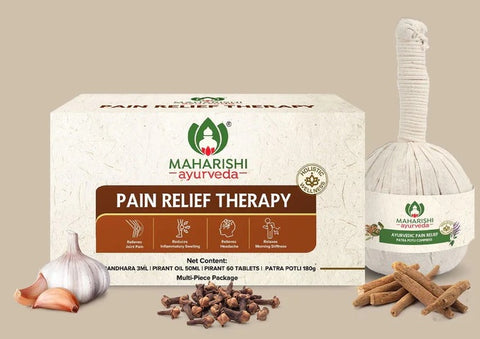
Pain Relief TherapyAyurvedic Pain Relief Therapies– Certain types of Ayurvedic formulations are specially formulated to balance Vata dosha and provide warmth and relaxation, thereby alleviating back pain. 

  • Maharishi Ayurveda Pain relief therapy comprises powerful Ayurvedic formulations that work together in harmony to deliver deep and long-lasting relief from back pain. The therapy involves the use of Pirant Tablets, an Ayurvedic medicine for back pain that targets internal imbalances that cause joint and muscle pain. For topical application, Pirant oil, a specially formulated pain relief oil is mixed with Prandhara oil and then applied gently on the affected area. Using Patra Potli, a warm compress can be applied to the affected area, helping to push the Pirant oil deeper into the muscles for pain relief. The compress provides a warm, soothing effect while offering a deep tissue massage. These synergistic formulations help reduce Ama(toxins) and provide long-lasting relief from back pain, stiffness, discomfort, and other related issues
  • Pirant Balm – This Ayurvedic pain relief balm is a potent combination of cedar, sesame oil, menthol, eucalyptus, cloves, cinnamon, and other warming herbs. All these herbs work synergistically to calm Vata and Kapha doshas, thereby giving instant and long-lasting relief from back pain

Cold And Warm Compresses- Warm and cold compresses are highly effective in relieving most types of back pain. However, the decision to use either a hot or cold compress for back pain management is based on the underlying cause of the pain. If the pain is due to an injury, sudden jerk, or muscle pull, a cold compress is recommended. It helps numb the nerves and reduces inflammation, alleviating the pain. For back pain caused by fatigue, postural problems, or any underlying medical condition, a hot compress is a better option. The warmth provided by the hot compress stimulates blood circulation, reduces inflammation, and promotes healing. 

Yoga Asanas– Ayurveda recommends specific yoga asanas for back pain. For instance, Cobra pose, Cat-Cow pose, and the Child pose are some of the best yoga poses to alleviate back

Pranayama– One effective Pranayama (breathing exercise) for balancing Vata dosha is alternate nostril breathing, also known as Anuloma Viloma. This practice is particularly beneficial for those who suffer from Vata dosha conditions, such as lower back pain, and osteoarthritis. Incorporating Anuloma Viloma into your daily routine may help alleviate these symptoms and promote overall wellness.

Abhyanga – Doing body massages using warm, medicated oil is beneficial in relieving back pain. It balances Vata and provides relief from back pain. 

Herbs and spices– Certain herbs and spices have anti-inflammatory and pain-relieving properties, due to which these can be used as an Ayurvedic treatment for back pain. This includes turmeric, ginger, guggul, and more. 

Lifestyle Tips to Relieve Back Pain 

  •  Posture correction is important. Correct your posture while you work and even when you sleep. Sleeping on your side, using a supportive pillow and mattress, and stretching before bed are also beneficial. 
  • Incorporate stress-reducing practices like meditation and yoga to alleviate back pain caused by emotional stress
  • Consume warm, easily digested foods, and avoid Vata aggravating items like curd, rice, and refrigerated food and drink
  • Regular exercise and movement can help prevent and alleviate back pain

Conclusion 

Back pain is one of the most prevalent ailments across the globe. Ayurvedic treatment for back pain may include herbal remedies, specific yoga postures, and massage to alleviate inflammation and strengthen the muscles in the back. It is equally important to take care of your diet, lifestyle habits, and posture. 

Add to cart